
What Is Body Contouring? Types, Benefits, Costs And What To Expect
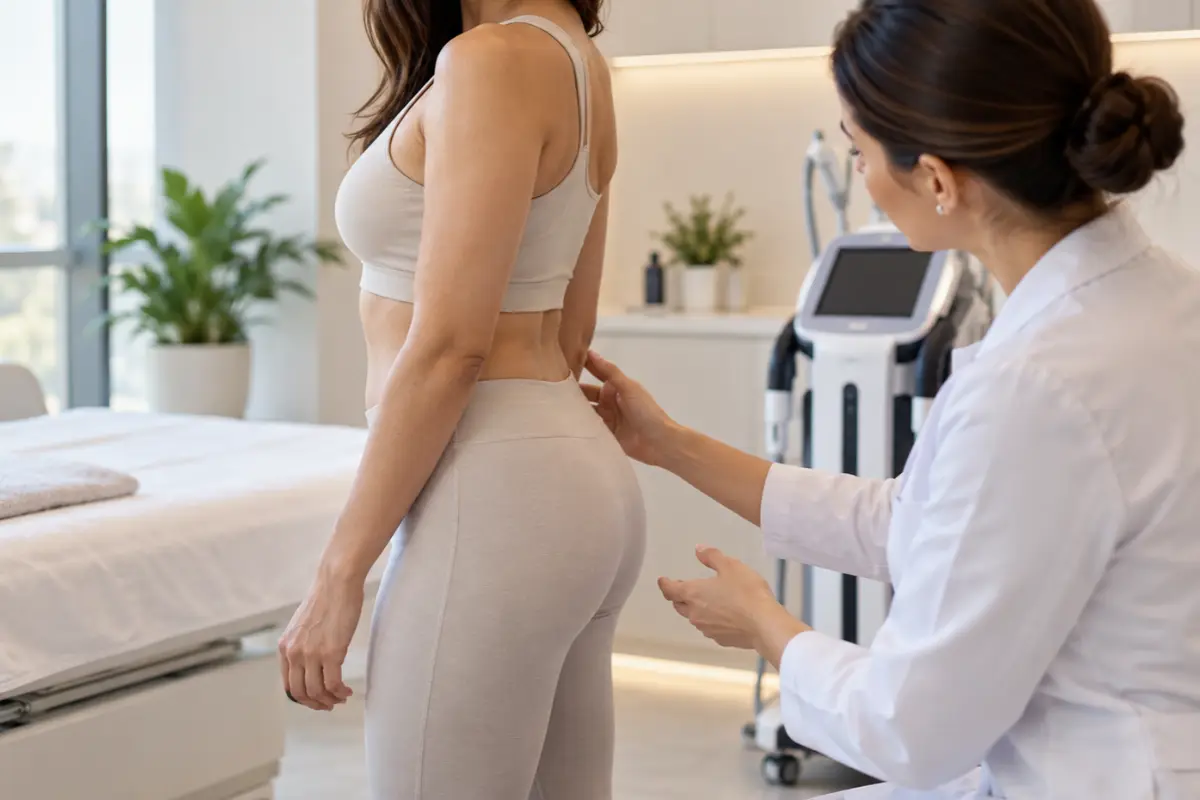
Body contouring is a broad label for cosmetic procedures that reshape specific parts of the body. Some reduce stubborn fat, some tighten loose skin, and some improve definition. A few involve surgery, while others rely on ultrasound, radiofrequency or controlled cooling applied through the skin. The method you choose shapes almost everything that follows, from the size of the result to the cost and the time you’ll need to recover.
What Is Body Contouring?
The term covers any cosmetic treatment that changes the shape or appearance of areas like the abdomen, thighs, upper arms, hips and chin. Some procedures take fat away, while others deal with skin that has lost its firmness or hangs loosely after weight loss or pregnancy.
None of these treatments are designed for significant weight loss; they refine shape instead. Non-surgical options tend to deliver subtle changes, while surgery can produce a far more visible difference at the price of higher risk and a longer recovery. Which route makes sense comes down to your health, how elastic your skin is, the area you want treated and the result you’re hoping for.
Types Of Body Contouring
The options fall into two broad camps, and each has clear strengths and limits.
1. Surgical Body Contouring
Surgery is usually the better fit when there’s a lot of excess skin or when you want a substantial change in shape.
- Liposuction: A suction device removes localised fat deposits.
- Tummy tuck (abdominoplasty): Excess skin on the abdomen is cut away, and weakened muscles can be tightened at the same time.
- Body lift: Removes surplus skin and tissue, often after major weight loss.
- Arm or thigh lift: Targets loose skin on the upper arms or thighs.
Expect anaesthesia, incisions and a proper recovery period. The risks are real, too: infection, bleeding, scarring, blood clots and complications linked to anaesthesia.
2. Non-Surgical Body Contouring
These treatments reduce localised fat or improve the look of the skin without an operating theatre.
- Cryolipolysis: Controlled cooling targets fat cells in chosen areas.
- Radiofrequency: Heats tissue with energy, which can firm skin and produce mild contouring.
- Ultrasound-based treatments: Direct sound-wave energy at tissue below the surface.
- Electromagnetic treatments: Trigger muscle contractions that may sharpen muscle definition.
Downtime is usually short, though swelling, redness, tenderness or bruising can show up for a while. Results differ from person to person, and you’ll often need more than one session. Low downtime doesn’t mean zero risk, either. Fat freezing can, in rare cases, cause paradoxical fat enlargement, where the treated area grows rather than shrinks.
Benefits Of Body Contouring
What you gain depends on the procedure, the area treated and your own body. People most often cite these reasons:
- Less stubborn fat: Certain treatments target pockets of fat that hang on even when your weight stays steady.
- A more defined shape: The abdomen, waist or thighs can look more sculpted.
- Loose skin removed: Surgery can deal with skin left behind after major weight loss or pregnancy.
- Clothes that fit better: A changed silhouette can make some garments more comfortable.
- Feeling better about how you look: Many people report greater comfort with their appearance afterwards.
Still, no result is guaranteed. A cosmetic improvement won’t necessarily make you healthier, and it won’t automatically give you a lasting lift in self-esteem.
How much does body contouring cost?
Body contouring costs vary depending on the procedure, treatment area, provider, location and number of sessions required. Non-surgical treatments may cost a few hundred to several thousand dollars, while surgery generally costs several thousand dollars or more, particularly when multiple areas are treated.
The total price may also include consultation fees, anaesthesia, facility charges, compression garments, medication and follow-up visits. Ask for a written estimate covering all expected expenses, as cosmetic procedures are generally not covered by health insurance unless specific medical criteria apply.
What To Expect Before, During And After Treatment
Before treatment
A qualified healthcare professional should go through your medical history, current medications, expectations and goals. They’ll likely assess your skin elasticity and how much excess fat or skin you have.
This is the time to ask about realistic outcomes, possible complications, alternatives and whether you’re a good candidate at all. If a provider promises dramatic results with no downside, treat that as a reason to look elsewhere.
During Treatment
What happens on the day depends on the method. A non-surgical session often means an applicator resting against your skin for anywhere from about 30 minutes to more than an hour. Surgery may involve anaesthesia and several hours in a clinical setting. Your provider should tell you what you’ll feel and how any discomfort will be handled.
After Treatment
Body contouring recovery looks very different across procedures. Non-surgical treatments usually let you get back to normal quickly, even if some temporary side effects linger. Surgery can mean several weeks of healing, limits on activity and a series of follow-up appointments.
Don’t expect the final result straight away, since changes often emerge over weeks or months. Keeping your weight stable and following aftercare advice helps protect the outcome, although ageing and other factors will keep changing your body over time.
Who Is A Good Candidate?
The best candidates are generally in good health, have realistic expectations and hold a stable weight. Someone with a stubborn pocket of fat and someone with loose skin will likely suit quite different approaches.
Body contouring doesn’t replace weight management or treatment for obesity. If you’re pregnant, have certain medical conditions or carry factors that raise surgical risk, you may need to delay treatment or look at other options.
A qualified clinician can tell you which approach, if any, fits your situation.
Conclusion
The range of body contouring options is wide, stretching from non-surgical fat reduction to operations that remove excess skin. Benefits, costs, risks and recovery times differ a great deal between them. Before committing, speak with a qualified healthcare professional, weigh the options side by side and think about what you want long term. Knowing what each treatment can realistically deliver puts you in a far better position to choose something that’s both safe and satisfying.
FAQ
1. What is body contouring used for?
Body contouring reshapes specific body areas by reducing localised fat, removing excess skin or improving skin firmness. It is not a weight-loss treatment.
2. Does body contouring work without surgery?
Yes, non-surgical treatments use cooling, radiofrequency or ultrasound to target fat or improve skin appearance. Results vary and are generally more modest than surgery.
3. How much does body contouring cost?
Costs depend on the procedure, clinic and number of sessions. Non-surgical treatments may cost hundreds to thousands of dollars, while surgery can cost several thousand dollars or more.
4. How long does it take to see body contouring results?
Results may develop over several weeks or months, depending on the treatment and individual healing process.
5. Is body contouring safe?
Body contouring carries risks, including swelling, bruising, discomfort and scarring. Consult a qualified healthcare professional to understand the risks and suitability of treatment.


